Physical Address
Delhi, India
Physical Address
Delhi, India

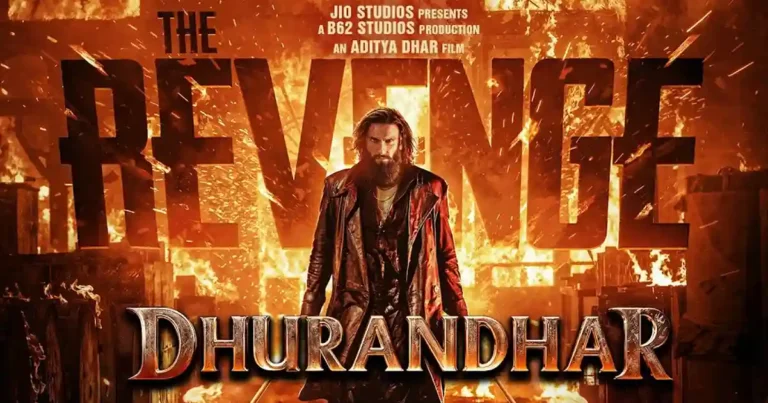
It's nearly 4 hours long, hyper-violent, and skipped traditional promotions entirely. Yet, Dhurandhar 2 is shattering global box office records. Discover how Aditya Dhar and Ranveer Singh just rewrote the DNA of Bollywood, killing the "safe" family movie and bringing the era of the dark, lore-heavy cinematic event.
The ‘Dhurandhar’ Effect: How a 4-Hour Bloodbath Just Rewrote Bollywood’s DNA Forever
Industry Analysis | April 2, 2026 | 14 Minute Read
Every decade, a film comes along that doesn’t just break the box office; it breaks the rulebook. In the 70s, it was Sholay. In the 90s, it was DDLJ. In 2026, whether the purists like it or not, that film is Aditya Dhar’s Dhurandhar 2: The Revenge.
Let’s look at the facts. It is 3 hours and 49 minutes long. It has an “A” (Adults Only) certification for extreme, visceral violence. It has no lip-sync item numbers, no comic relief sidekick, and a protagonist (Ranveer Singh) who is dangerously close to being a super-villain. On paper, every studio executive would have called this commercial suicide.
Yet, here we are. It has crossed ₹1000 crore globally in just two weeks, crushing the traditional “family entertainer” model. Dhurandhar 2 hasn’t just succeeded; it has fundamentally altered the algorithm of Indian cinema. Here is how this hyper-violent spy saga is changing how Bollywood will make, market, and monetize movies for the next ten years.
The paradigm shift: From safe family dramas to high-stakes theatrical events.
For the last five years, marketing gurus have been screaming: “Audiences only watch 30-second reels! Keep your movies under 2 hours!”
Aditya Dhar just took that advice and threw it out the window. Dhurandhar 2 asks its audience to sit in a dark room for nearly four hours. And guess what? They are doing it, and then booking tickets to do it again.
The New Rule: Audiences don’t have short attention spans; they have a low tolerance for boredom. If you build a dense, lore-heavy world with relentless pacing, they will treat your movie like a binge-watchable Netflix series on the big screen.
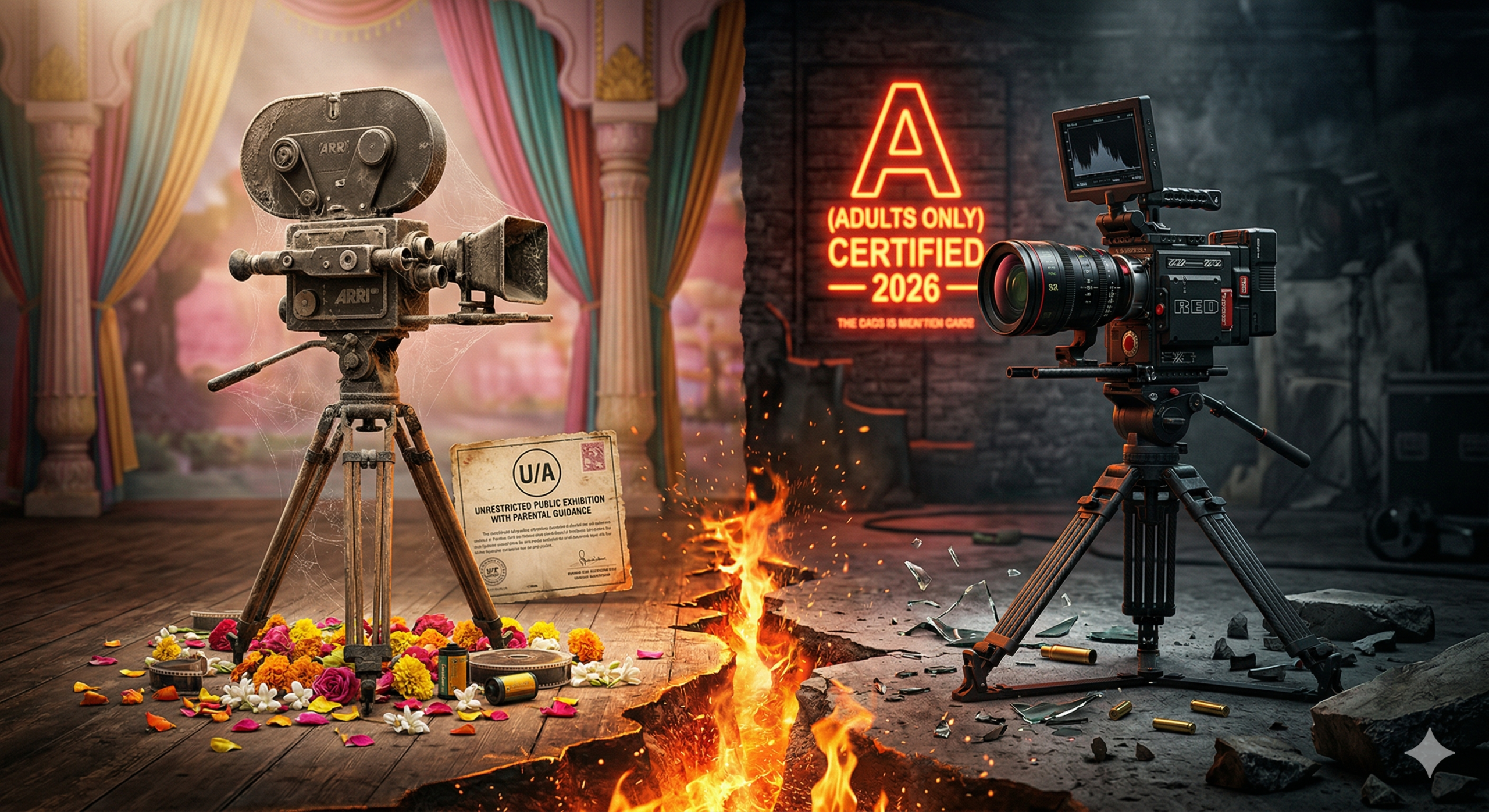
Historically, getting an “A” certificate in India meant cutting your box office potential by 40%. You lost the family crowd, the kids, and the conservative demographics.
Sandeep Reddy Vanga’s Animal cracked the door open, but Dhurandhar 2 has kicked it off its hinges. By embracing its dark, unforgiving violence, the film created a “FOMO” (Fear Of Missing Out) among adult audiences. It became a badge of honor to survive the theater experience.
Studios are waking up to a massive realization: The 18-35 male demographic in India has enough disposable income to drive a movie to ₹1000 crore all by themselves, provided the content is unapologetically catered to them. Expect a massive surge in R-rated action thrillers over the next 36 months.
Ranveer Singh is a superstar, yes. But people didn’t flock to Dhurandhar 2 just to see Ranveer. They went to see the continuation of the “Lyari underworld” mythology. They went to see how the RAW and ISI chess game evolved.
Bollywood is finally learning what Hollywood learned a decade ago with Marvel: Franchise IP is bigger than any single actor.
The film contains an intricate web of character callbacks, political Easter eggs, and deep-state conspiracies that fans dissect on Reddit and YouTube for hours. Aditya Dhar didn’t just write a script; he wrote an encyclopedia. Future Bollywood blockbusters will no longer rely on a hero’s swagger; they will require “Bible-sized” story bibles.
Did you notice how Ranveer Singh didn’t go to Bigg Boss or Indian Idol to promote this film? He didn’t dance in malls in tier-2 cities.
The marketing for Dhurandhar 2 was chillingly clinical. A teaser drop. Two posters. And absolute silence from the cast. They let the mystery breathe. In an era where audiences are over-exposed to celebrities on Instagram, Aditya Dhar used “scarcity” as a marketing tool. By hiding Ranveer’s scarred look until the very last minute, they turned the theatrical release into an unmissable “Reveal Event.”
In the 90s, you went to watch a “Shah Rukh Khan film.” Today, audiences are buying tickets for an “Aditya Dhar film,” a “Siddharth Anand film,” or a “Lokesh Kanagaraj film.”
Dhurandhar 2 solidifies the shift of power from the vanity van to the director’s monitor. The sheer technical brilliance required to execute a 4-hour action epic means that the Director is now the captain of the ship, not just a manager of egos. Studios are now locking down visionary directors with multi-film, profit-sharing contracts previously reserved only for top-tier actors.
Dhurandhar 2 has effectively burned the boats. The days of making a “safe” ₹150 crore film with six songs, a foreign location shoot, and a predictable happy ending are over.
To survive in the post-Dhurandhar landscape, filmmakers have to offer a cinematic drug that the audience cannot get on their smartphones. It has to be bigger, darker, more complex, and technically flawless. Aditya Dhar has raised the bar to a terrifying height.
The question isn’t whether Bollywood will change. The question is: Which studio will be brave enough to try and top this? Let us know your thoughts in the comments below.